
50%
Faster environment provisioning for new plants, pilot lines, and training setups after rehosting Linux workloads to Azure.
Migrated on-premises Linux application servers to Azure Virtual Machines to improve availability, reduce infrastructure overhead, and establish a scalable cloud foundation.
Faster environment provisioning for new plants, pilot lines, and training setups after rehosting Linux workloads to Azure.
Linux application servers rehosted to Azure Virtual Machines supporting production planning and shop-floor reporting.
Planned production cutover window completed using phased migration waves without disrupting manufacturing shifts.
Industry: Manufacturing
Core business: Industrial components manufacturing
Employees: 800+ employees
Geography: United States
Workloads migrated: On-prem Linux application servers rehosted to Azure Virtual Machines supporting production planning, inventory management, and shop-floor reporting
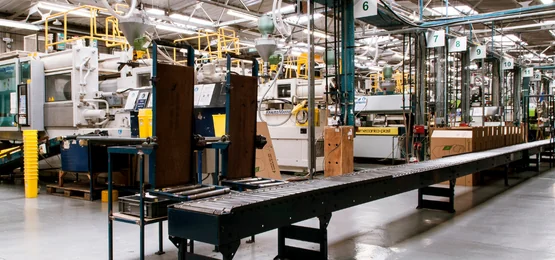
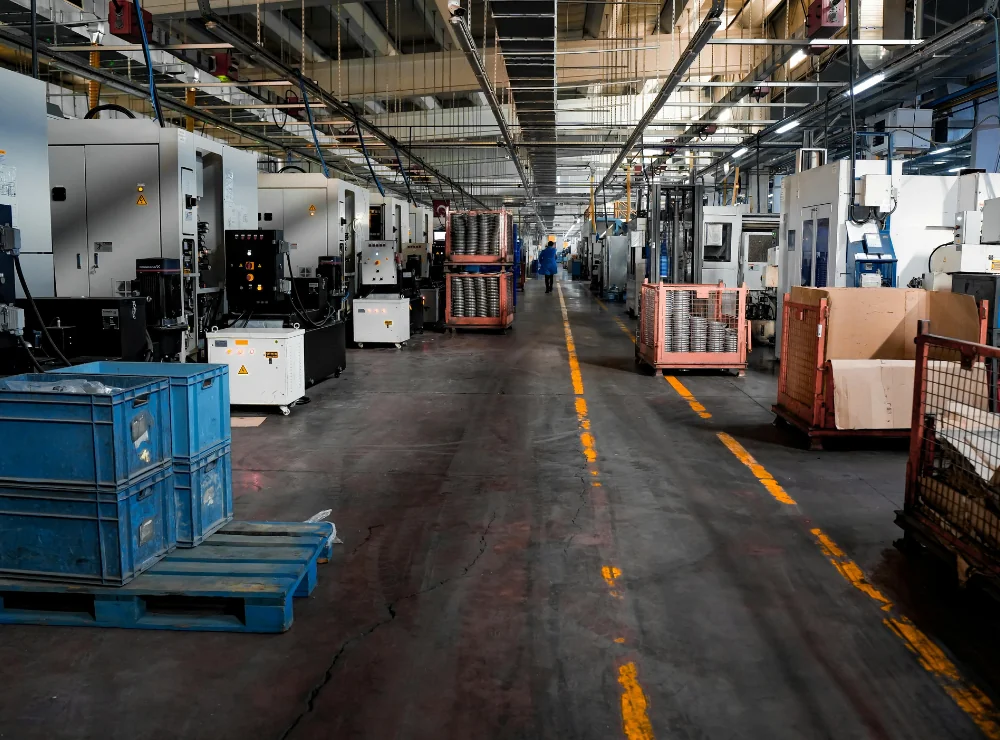
A mid-sized industrial components manufacturing company operates internal business applications supporting production planning, inventory management, and operational reporting. These systems were hosted on Linux-based application servers running in an on-premises data center. As infrastructure demands increased, the customer sought to migrate these workloads to Microsoft Azure while preserving existing application behavior and minimizing risk during transition. As manufacturing operations scaled across plants, the limitations of the on-premises Linux infrastructure began to affect system reliability, performance, and operational agility.
Linux servers supporting production planning and shop-floor reporting regularly hit capacity limits as plants and SKUs scaled. Performance degraded during shift changes and end-of-day processing, disrupting operational workflows.
Critical manufacturing applications ran on aging, on-prem hardware with limited redundancy. Maintenance windows and hardware issues frequently caused outages, forcing teams to work around system availability.
Bringing new plants, pilot lines, or training environments online required manual server provisioning. Long lead times delayed rollouts and increased dependency on infrastructure teams.
Simform partnered with the customer to rehost Linux application servers to Azure, following a lift-and-shift migration approach aligned with Azure best practices. We migrated the client’s on-premises Linux application servers that supported production planning and shop-floor reporting to Azure using an assessment-led approach, then stabilized operations under a standardized Azure operating model.
Simform assessed the Linux servers supporting production planning and plant reporting using Azure Migrate, mapped dependencies across manufacturing sites, and grouped workloads into controlled migration waves. Cutovers were scheduled between production shifts to avoid disrupting live operations.
A dedicated Azure environment was prepared to host Linux workloads, following a standardized subscription, networking, and access-control design. Secure connectivity was maintained with existing ERP and MES systems, enabling a like-for-like hosting model.
The Linux application servers were rehosted to Azure Virtual Machines using a lift-and-shift approach. Existing operating system configurations and integrations were preserved, allowing planners and supervisors to continue using the same applications after migration.
After cutover, application performance and integrations were validated using real prod workloads. Monitoring and operational baselines were established using Azure Monitor and Log Analytics, enabling proactive visibility into resource utilization and system health.
The migration removed infrastructure constraints and stabilized manufacturing systems without disrupting production.

Rehosting Linux workloads to Azure reduced environment provisioning time by ~50%, enabling faster rollout of plants, pilot lines, and training environments without waiting on physical infrastructure.

12 Linux application servers were rehosted to Azure Virtual Machines, bringing production planning and shop-floor reporting under a standardized operating model.

Phased migration waves enabled production systems to transition to Azure within a <4-hour cutover window, allowing infrastructure changes between shifts instead of during production hours.

 Hiren Dhaduk
Creating a tech product roadmap and building scalable apps for your organization.
 Call Us Now

We do not collect any information about users, except for the information contained in cookies. We store cookies on your device, including mobile device, as per your preferences set on our cookie consent manager. Cookies are used to make the website work as intended and to provide a more personalized web experience. By selecting ‘Required cookies only’, you are requesting Simform not to sell or share your personal information. However, you can choose to reject certain types of cookies, which may impact your experience of the website and the personalized experience we are able to offer. We use cookies to analyze the website traffic and differentiate between bots and real humans. We also disclose information about your use of our site with our social media, advertising and analytics partners. Additional details are available in our Privacy Policy.
These cookies are necessary for the website to function and cannot be turned off.
Under the California Consumer Privacy Act, you may choose to opt-out of the optional cookies. These optional cookies include analytics cookies, performance and functionality cookies, and targeting cookies.
Analytics cookies help us understand the traffic source and user behavior, for example the pages they visit, how long they stay on a specific page, etc.
Performance cookies collect information about how our website performs, for example,page responsiveness, loading times, and any technical issues encountered so that we can optimize the speed and performance of our website.
Targeting cookies enable us to build a profile of your interests and show you personalized ads. If you opt out, we will share your personal information to any third parties.